
Introduction:
In today's fast-paced real estate market, staying ahead requires embracing technology. Real estate software development is at the forefront of this revolution, offering innovative solutions that streamline processes, enhance productivity, and drive growth. From property management to client relations, the impact of software in real estate is undeniable. In this article, we'll delve into the world of real estate software development, exploring its benefits, trends, and future prospects.
1. Understanding Real Estate Software Development
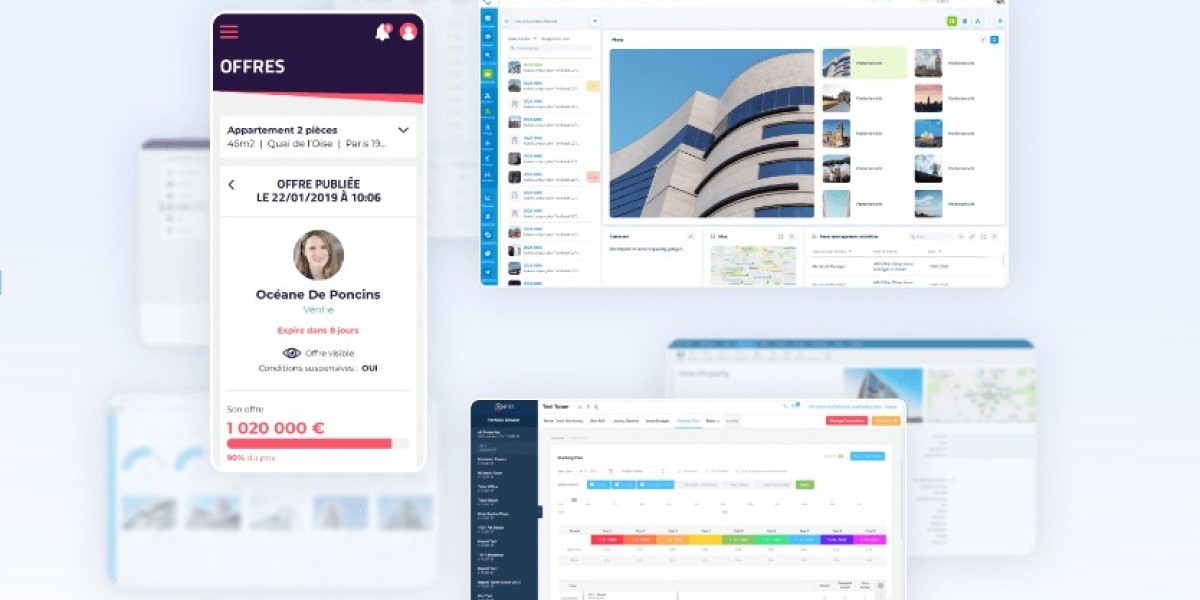
Real estate software development encompasses a wide range of applications designed to meet the specific needs of the industry. From CRM systems to property management platforms, these tools are tailored to simplify complex processes and improve operational efficiency. By leveraging advanced technologies such as artificial intelligence and big data analytics, developers are creating solutions that empower real estate professionals to work smarter, not harder.
Real Estate Software Development: Streamlining Processes for Success
In today's competitive real estate market, efficiency is key to success. Real estate software development is revolutionizing the industry by streamlining processes and automating repetitive tasks. From lead generation to contract management, these innovative solutions empower agents and brokers to focus on what they do best – closing deals.
2. The Benefits of Real Estate Software Development
The benefits of real estate software development are manifold, ranging from increased productivity to enhanced client satisfaction. By digitizing workflows and centralizing data, these platforms enable real estate professionals to access critical information anytime, anywhere. Moreover, features such as automated marketing campaigns and predictive analytics help agents identify opportunities and drive revenue growth.
Real Estate Software Development: Empowering Agents for Success
Gone are the days of manual paperwork and scattered data. Real estate software development offers a comprehensive solution that empowers agents to streamline their workflows, maximize productivity, and deliver exceptional service to clients. Whether it's managing listings, coordinating showings, or closing deals, these platforms provide the tools and insights needed to succeed in today's competitive market.
3. Trends in Real Estate Software Development
As technology continues to evolve, so too does the landscape of real estate software development. From the rise of virtual reality tours to the adoption of blockchain for property transactions, developers are constantly pushing the boundaries of what's possible. Moreover, the shift towards cloud-based solutions and mobile-friendly applications reflects the changing needs of modern real estate professionals.
Real Estate Software Development: Embracing Innovation for Future Success
Innovation is the driving force behind real estate software development, shaping the way agents and brokers conduct business in the digital age. By embracing emerging technologies and adapting to shifting market dynamics, developers are paving the way for a more efficient, transparent, and accessible real estate industry.
4. Future Prospects of Real Estate Software Development
Looking ahead, the future of real estate software development appears bright and promising. With advancements in artificial intelligence, machine learning, and predictive analytics, we can expect to see even greater automation and personalization in real estate workflows. Moreover, the continued integration of virtual reality and augmented reality technologies will transform the way properties are marketed and showcased to potential buyers.
Real Estate Software Development: Shaping the Future of Real Estate
In conclusion, real estate software development is a catalyst for change in the industry, driving innovation, efficiency, and growth. By embracing these technologies and staying ahead of the curve, real estate professionals can position themselves for success in an increasingly competitive market.
FAQs
How does real estate software development benefit agents and brokers? Real estate software development offers agents and brokers a wide range of benefits, including increased productivity, streamlined workflows, and enhanced client satisfaction. By automating repetitive tasks and centralizing data, these platforms empower real estate professionals to focus on what they do best – closing deals.
What are some emerging trends in real estate software development? Emerging trends in real estate software development include the rise of virtual reality tours, the adoption of blockchain for property transactions, and the shift towards cloud-based solutions. These trends reflect the industry's ongoing commitment to innovation and technology-driven solutions.
Can real estate software development help improve client relations? Absolutely. Real estate software development provides agents and brokers with powerful tools for managing client relationships, including CRM systems and automated marketing campaigns. By leveraging these tools, real estate professionals can deliver exceptional service and build long-lasting relationships with their clients.
Is real estate software development suitable for all types of properties? Yes, real estate software development is highly adaptable and can be tailored to suit the needs of various property types, from residential to commercial. Whether you're managing single-family homes or large-scale commercial properties, there's a software solution available to streamline your workflows and drive success.
How can real estate software development help with property management? Real estate software development offers a range of features designed to streamline property management tasks, including rent collection, maintenance scheduling, and tenant communication. By digitizing these processes, property managers can save time, reduce costs, and improve overall efficiency.
What are some key considerations when choosing real estate software development solutions? When choosing real estate software development solutions, it's important to consider factors such as ease of use, scalability, and customer support. Additionally, be sure to assess your specific needs and objectives to ensure that the software aligns with your business goals and workflows.
Conclusion:
In conclusion, real estate software development is revolutionizing the industry, offering innovative solutions that empower agents and brokers to work smarter, not harder. From streamlining processes to enhancing client relations, these platforms are shaping the future of real estate. By staying ahead of emerging trends and embracing new technologies, real estate professionals can position themselves for success in an increasingly competitive market.