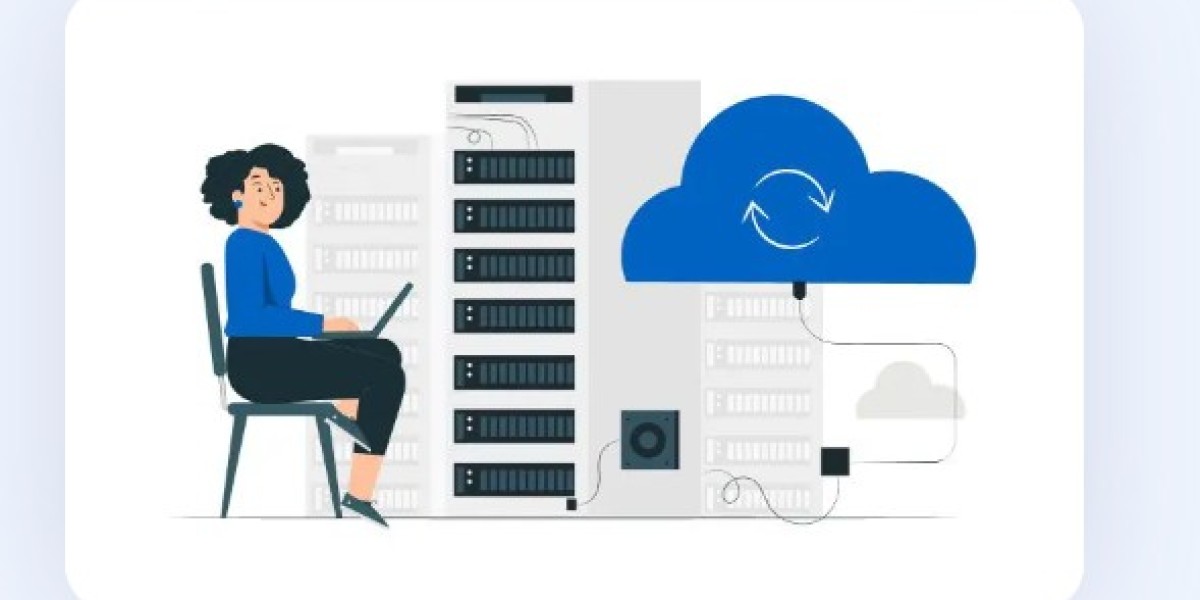

In today's rapidly evolving digital landscape, businesses must adapt to stay competitive. One significant shift many companies are making is migrating their legacy applications to the cloud. This strategic move offers a multitude of benefits, from increased flexibility and scalability to improved security and cost-effectiveness.
Understanding Legacy Application Migration
Legacy applications, while once cutting-edge, can become cumbersome and costly to maintain over time. These outdated systems often lack the agility and efficiency required to meet modern business demands. By migrating these applications to the cloud, organizations can leverage the power of cloud computing to modernize their infrastructure and optimize performance.
Unlocking Flexibility and Scalability
One of the primary advantages of migrating legacy applications to the cloud is the enhanced flexibility it provides. Cloud platforms offer on-demand resources, allowing businesses to scale their infrastructure up or down based on fluctuating demand. This scalability ensures that companies can efficiently allocate resources and adapt to changing needs without costly investments in hardware or infrastructure.
Enhancing Security Measures
Security is a top priority for businesses in the digital age, and migrating legacy applications to the cloud can significantly enhance security measures. Cloud providers invest heavily in robust security protocols, including encryption, access controls, and threat detection systems, to safeguard data and applications from cyber threats. By leveraging these advanced security features, organizations can mitigate risks and protect sensitive information more effectively.
Driving Cost-Efficiency
Cost-effectiveness is another compelling reason to migrate legacy applications to the cloud. Traditional on-premises infrastructure often requires substantial upfront investments in hardware, software, and maintenance. In contrast, cloud computing operates on a pay-as-you-go model, allowing businesses to only pay for the resources they use. This eliminates the need for costly hardware upgrades and reduces ongoing maintenance expenses, resulting in significant cost savings over time.
Ensuring Seamless Integration
Successful application migration relies on seamless integration with existing systems and workflows. Cloud providers offer robust integration capabilities, allowing businesses to seamlessly connect legacy applications with other cloud-based services and platforms. This integration streamlines operations, enhances collaboration, and ensures a smooth transition for end-users.
Optimizing Performance and Reliability
Performance and reliability are critical factors in the digital age, and cloud migration can help optimize both. Cloud platforms offer high-performance infrastructure with redundant systems and automatic failover mechanisms to ensure continuous uptime and reliability. This means businesses can deliver consistent, high-quality experiences to users without worrying about downtime or disruptions.
Conclusion
In conclusion, migrating legacy applications to cloud is a strategic decision that can unlock numerous benefits for businesses. From increased flexibility and scalability to enhanced security and cost-efficiency, the advantages of cloud migration are clear. By embracing cloud technology, organizations can modernize their infrastructure, optimize performance, and position themselves for success in today's competitive market landscape.