
Introduction
In today's fast-paced world, healthcare is constantly evolving, with technology playing a pivotal role in shaping its landscape. One such innovation making waves is Remote Patient Monitoring (RPM) software. This transformative technology allows healthcare providers to monitor patients' vital signs and health data in real-time, regardless of their location. Let's delve deeper into the realm of remote patient monitoring software and explore its myriad benefits and applications.
Understanding Remote Patient Monitoring Software
Remote Patient Monitoring Software, often abbreviated as RPM software, is a sophisticated technology that enables healthcare professionals to remotely monitor patients' health data. It facilitates the collection, transmission, and analysis of vital signs such as blood pressure, heart rate, glucose levels, and more, from patients' homes or other remote locations. By leveraging wearable devices, sensors, and mobile applications, RPM software offers a comprehensive solution for continuous patient monitoring outside traditional healthcare settings.
How Does Remote Patient Monitoring Software Work?
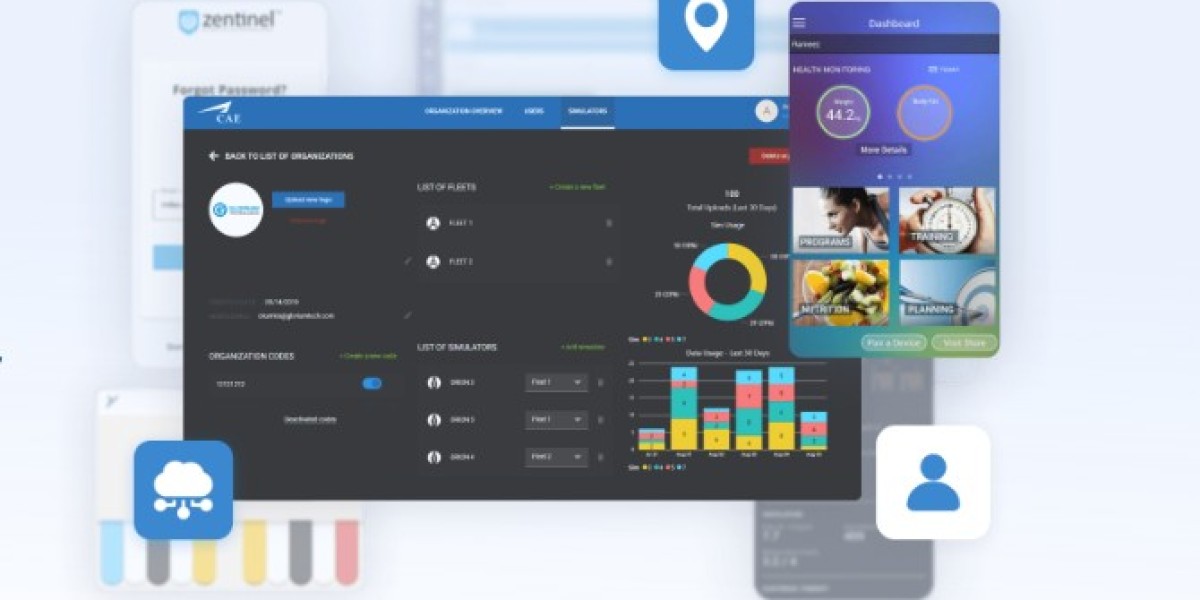
RPM software operates by integrating with various medical devices and sensors worn or used by patients. These devices capture and transmit health data to a centralized platform, typically a secure cloud-based system. Healthcare providers can access this platform to monitor patients' vital signs, track trends, and receive real-time alerts for any abnormalities or deviations from baseline values.
The Role of Wearable Devices in Remote Patient Monitoring
Wearable devices play a pivotal role in remote patient monitoring, serving as the primary means of data collection. These devices come in various forms, including smartwatches, fitness trackers, blood pressure cuffs, glucometers, and pulse oximeters. Equipped with sensors and wireless connectivity, wearable devices seamlessly capture and transmit health data to RPM software platforms, ensuring continuous monitoring without requiring patients to visit healthcare facilities frequently.
Benefits of Remote Patient Monitoring Software
Remote Patient Monitoring Software offers a plethora of benefits for both patients and healthcare providers:
- Improved Patient Outcomes: By enabling proactive monitoring and early intervention, RPM software helps prevent complications and improve treatment outcomes.
- Enhanced Patient Engagement: Patients feel more involved in their healthcare journey, leading to better adherence to treatment plans and lifestyle modifications.
- Cost Savings: RPM software reduces healthcare costs associated with hospital readmissions, emergency department visits, and unnecessary office visits by facilitating remote monitoring and timely interventions.
- Efficiency and Convenience: Healthcare providers can remotely monitor multiple patients simultaneously, streamlining workflows and maximizing efficiency.
The Future of Healthcare with Remote Patient Monitoring Software
As technology continues to advance, the future of healthcare looks promising with the widespread adoption of remote patient monitoring software. This innovative approach to healthcare delivery holds the potential to revolutionize patient care, particularly for individuals with chronic conditions and those in underserved communities. With real-time monitoring, timely interventions, and personalized care plans, remote patient monitoring software is poised to shape the future of healthcare delivery.
Frequently Asked Questions (FAQs)
Q: How does remote patient monitoring software benefit patients? Remote patient monitoring software empowers patients by enabling them to actively participate in their healthcare journey. By providing real-time access to their health data and facilitating communication with healthcare providers, RPM software promotes self-management and improves overall health outcomes.
Q: Is remote patient monitoring software suitable for all patients? While remote patient monitoring software offers significant benefits, its suitability depends on various factors such as the patient's medical condition, technological literacy, and access to resources. Healthcare providers assess each patient's individual needs to determine the appropriateness of remote monitoring as part of their care plan.
Q: How secure is remote patient monitoring software in safeguarding patient data? Security and privacy are paramount in remote patient monitoring software. Providers adhere to stringent data protection regulations and implement robust encryption protocols to ensure the confidentiality and integrity of patient data. Additionally, access controls and authentication mechanisms safeguard sensitive information from unauthorized access.
Q: Can remote patient monitoring software integrate with existing healthcare systems? Yes, remote patient monitoring software is designed to integrate seamlessly with existing healthcare systems, including Electronic Health Records (EHR) platforms and telehealth solutions. This interoperability enables healthcare providers to streamline workflows and access comprehensive patient data within familiar interfaces.
Q: Does insurance cover the cost of remote patient monitoring services? Insurance coverage for remote patient monitoring services varies depending on the payer and specific policy terms. Many insurance plans recognize the value of RPM in improving patient outcomes and reducing healthcare costs, leading to increased coverage for eligible patients. Patients are encouraged to consult their insurance providers to determine coverage options for remote patient monitoring services.
Q: How does remote patient monitoring software contribute to population health management? Remote patient monitoring software plays a vital role in population health management by facilitating proactive care, early intervention, and targeted interventions for high-risk populations. By leveraging data analytics and predictive modeling, RPM software enables healthcare providers to identify trends, assess population health needs, and allocate resources efficiently.
Conclusion
In conclusion, remote patient monitoring software represents a paradigm shift in healthcare delivery, offering unparalleled opportunities for improving patient outcomes, enhancing engagement, and reducing healthcare costs. By harnessing the power of technology, healthcare providers can deliver personalized, proactive care to patients, regardless of geographical barriers. As we embrace the future of healthcare, remote patient monitoring software stands at the forefront, driving innovation and transforming the way we deliver and receive care.