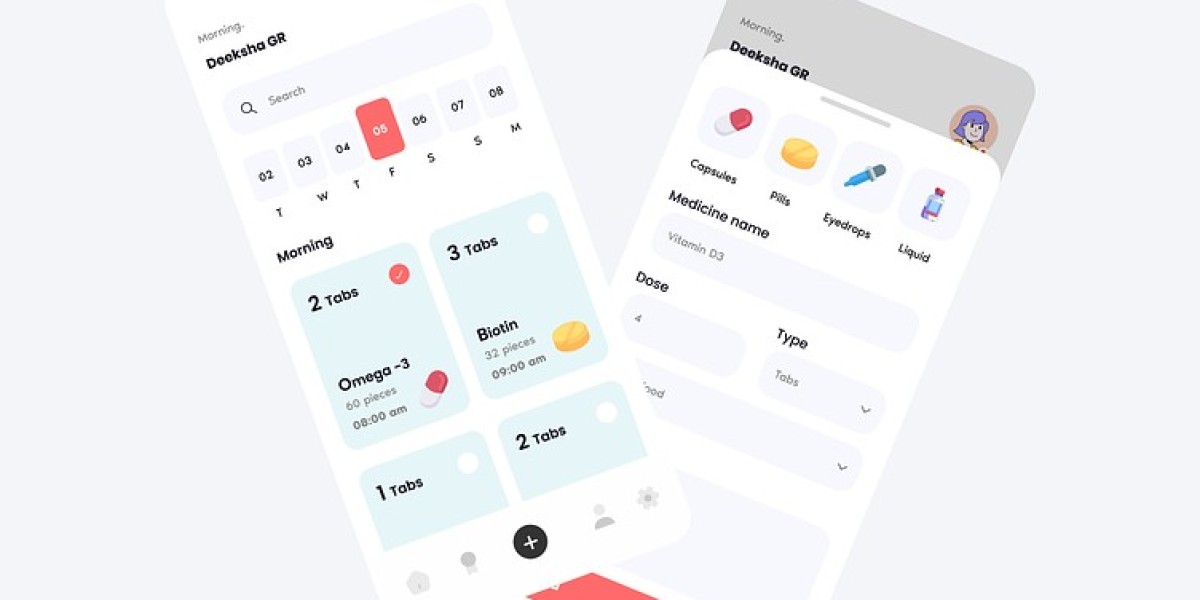

The healthcare landscape is undergoing a digital revolution, and telemedicine apps are at the forefront. In 2024, these apps are poised to become even more sophisticated, convenient, and transformative for both patients and healthcare providers. Here's a glimpse into the exciting world of telemedicine app development in 2024:
Enhanced Features for a Seamless Experience:
- Advanced Video Conferencing: Gone are the days of grainy video calls. Expect high-definition, secure video conferencing with features like screen sharing and real-time chat, creating a more interactive and personalized experience for both parties.
- AI-powered Chatbots: Chatbots will evolve beyond basic appointment scheduling. They'll utilize AI to answer basic medical questions, triage symptoms, and direct patients to the appropriate care channels. This streamlines preliminary consultations and frees up time for healthcare professionals.
- Integration with Wearable Devices: Telemedicine apps will seamlessly connect with wearable health trackers, allowing doctors to monitor vital signs (heart rate, blood pressure) remotely. This enables proactive care and early detection of potential issues.
- Prescription Management: Secure integration with pharmacies will allow doctors to prescribe medications through the app. Patients can then easily refill prescriptions or schedule medication deliveries, all within the app's ecosystem.
- Focus on Mental Health: Telemedicine apps will cater to a growing demand for remote mental health services. Features like mood tracking, journaling prompts, and secure video sessions with therapists will make mental healthcare more accessible and convenient.
Security and Privacy at the Forefront:
Security and privacy are paramount when dealing with sensitive health data. Telemedicine app development in 2024 prioritizes the following:
- HIPAA Compliance: Strict adherence to HIPAA regulations ensures patient data is protected at all times. Secure communication protocols and robust encryption will be essential.
- Multi-factor Authentication: Implementing multi-factor authentication (MFA) safeguards user accounts and prevents unauthorized access to medical information.
- Data Encryption: Data in transit and at rest must be encrypted using industry-standard protocols. This prevents data breaches and ensures patient information remains confidential.
Benefits for Patients and Providers:
The rise of telemedicine apps offers a multitude of benefits for both patients and healthcare providers:
- Improved Patient Access: Patients living in remote areas, with limited mobility, or busy schedules can access quality healthcare consultations from the comfort of their homes.
- Convenience and Flexibility: Telemedicine allows for flexible scheduling, reducing wait times in clinics. Patients can schedule consultations at their convenience, improving overall satisfaction.
- Enhanced Patient Engagement: Engaging telemedicine apps with features like appointment reminders, medication adherence tools, and educational content empower patients to take control of their health.
- Reduced Costs: Telemedicine offers a cost-effective alternative to traditional in-person consultations. This benefits both patients (reduced travel expenses) and healthcare providers (lower operational costs).
- Increased Efficiency for Providers: Telemedicine allows healthcare professionals to manage their time more effectively by conducting virtual consultations. This frees up time for complex cases and in-person examinations when necessary.
The Future of Telemedicine Apps
The future of telemedicine apps is bright, with continuous advancements blurring the lines between virtual and traditional healthcare. We can expect:
- Integration with AI for Diagnostics: AI-powered algorithms will analyze data from wearable devices and patient history to offer preliminary diagnoses and suggest treatment options, further enhancing remote care.
- Virtual Reality (VR) and Augmented Reality (AR) Integration: Imagine a world where doctors can use VR to guide patients through physical therapy exercises remotely or utilize AR to visualize patient medical scans during consultations.
- Expansion into Specialty Services: The realm of telemedicine will extend beyond primary care. We can expect to see virtual consultations for specialists like dermatologists, cardiologists, and psychiatrists, providing even more comprehensive remote healthcare options.
Conclusion:
Telemedicine app development in 2024 is poised to revolutionize healthcare delivery. These apps offer a win-win situation for both patients and providers, enhancing convenience, accessibility, and overall healthcare experiences. As the technology evolves and integrates with cutting-edge advancements, the future of healthcare looks increasingly personalized, proactive, and accessible from the palm of your hand.
To know more visit telemedicine app development cost blog