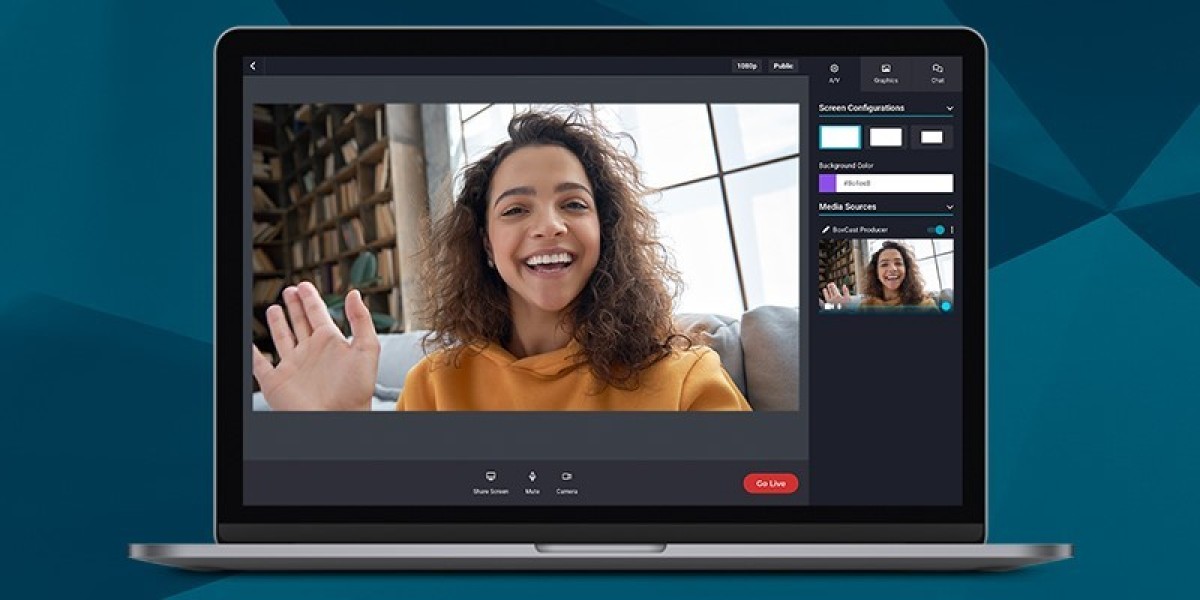

When selecting a church streaming platform, consider the following factors to choose the right one for your needs:
Ease of Use: Look for a platform that is user-friendly and intuitive, both for setting up and managing your live streams. The platform should have a straightforward interface and provide easy-to-follow instructions for streaming your church services.
Streaming Quality: Streaming quality is crucial to provide a positive viewing experience for your audience. Choose a platform that supports high-quality video and audio streaming, ensuring that your services are clear and easy to hear. Look for platforms that offer adaptive streaming technology to optimize the viewing experience based on each viewer's internet connection.
Compatibility and Integration: Ensure that the platform is compatible with your existing equipment and infrastructure. It should support your cameras, microphones, and other audiovisual equipment. Additionally, consider integration options with other systems you use, such as church management software, social media platforms, or donation management tools.
Interactive Features: Consider the interactive features provided by the platform. Features like chat functionality, prayer request submission, or real-time engagement can enhance the viewer experience and foster a sense of community. These features encourage active participation and help build connections between viewers.
Scalability and Reliability: Choose a church video streaming platform that can accommodate your current needs and future growth. It should be capable of handling increasing viewership without compromising streaming performance or experiencing downtime. Ensure that the platform has a robust infrastructure and reliable servers to support your live streams effectively.
Privacy and Security: Protecting the privacy and security of your live streams is essential. Look for platforms that offer privacy settings, allowing you to control who can access your streams. Consider platforms with encryption and secure streaming protocols to safeguard your content and prevent unauthorized access.
Analytics and Insights: Analytical data can provide valuable insights into viewer engagement, viewership trends, and content preferences. Choose a platform that offers analytics and reporting features, enabling you to understand your audience better and make data-driven decisions to improve your live streams.
Cost and Pricing Model: Consider the cost and pricing structure of the platform. Evaluate the features offered in relation to the pricing plans and determine if they align with your budget and requirements. Be aware of any additional fees for premium features or add-ons that may affect the overall cost.
Customer Support: Ensure that the platform provides reliable customer support. Look for platforms that offer various support channels, such as email, live chat, or phone support. Consider the platform's reputation for responsiveness and helpfulness in resolving technical issues or answering questions.
User Reviews and Recommendations: Research user reviews and seek recommendations from other churches or religious organizations that have experience with the platforms you are considering. User feedback can provide valuable insights into the platform's performance, ease of use, customer support, and overall satisfaction.
By considering these factors, you can choose a religious streaming platform that aligns with your technical requirements, budget, and goals. Careful evaluation will help ensure a smooth and successful streaming experience for your church services.