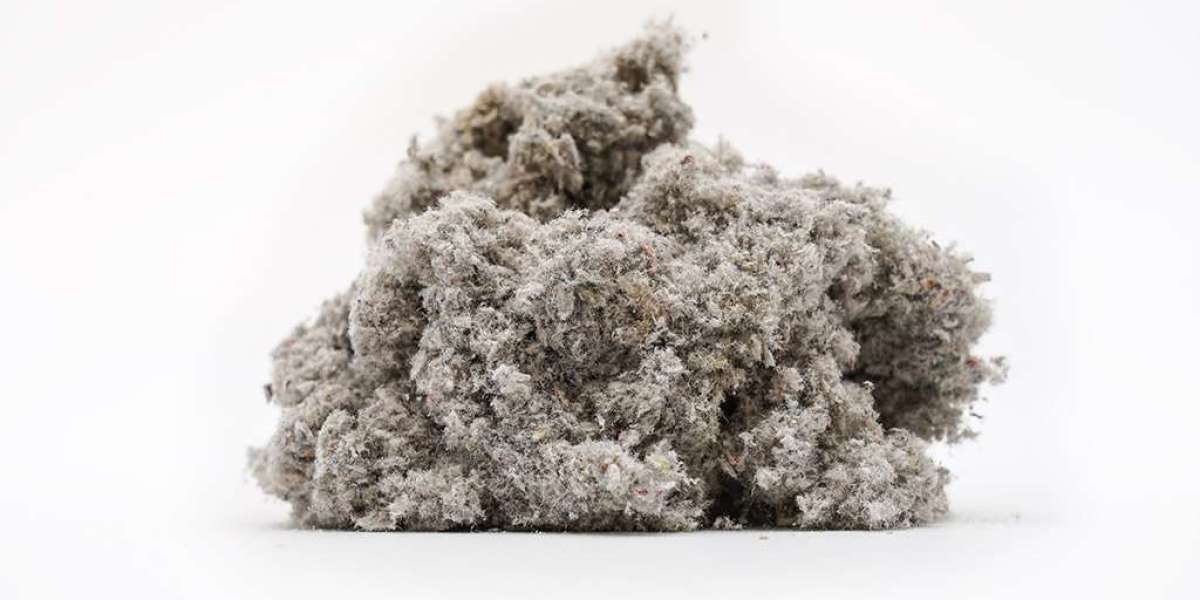

Cellulose blown-in insulation has emerged as a popular and environmentally friendly choice for those seeking effective insulation solutions. This article delves into the unique qualities of Cellulose Blown-In Insulation, its advantages, installation process, and key considerations for homeowners and businesses.
Understanding Cellulose Blown-In Insulation:
Cellulose insulation is derived from recycled paper and treated with fire-retardant chemicals to enhance its safety and effectiveness. When used as blown-in insulation, it provides a seamless and efficient thermal barrier, making it an excellent choice for various applications.
Advantages of Cellulose Blown-In Insulation:
1.Eco-Friendly Composition:
Cellulose insulation is made from recycled paper, making it a sustainable and eco-friendly option. Choosing cellulose contributes to reducing the environmental impact by repurposing paper waste into an effective insulation material.
2.High R-Value:
Cellulose blown-in insulation boasts a high R-value, indicating its excellent thermal resistance. This quality makes it particularly effective in maintaining indoor temperatures, reducing energy consumption, and lowering utility bills.
3.Seamless Coverage:
The blown-in application method ensures that cellulose insulation reaches and covers even the most irregular spaces. This seamless coverage creates a uniform layer that minimizes heat transfer, providing consistent comfort throughout the property.
4.Fire Retardant Properties:
Cellulose insulation is treated with fire-retardant chemicals, enhancing its safety features. This treatment significantly reduces the risk of fire and ensures that the insulation material meets safety standards for residential and commercial use.
Installation Process of Cellulose Blown-In Insulation:
1.Preparation:
Before the installation process begins, the area to be insulated is prepared. This involves addressing any ventilation issues, sealing air leaks, and ensuring that the space is ready for the cellulose blown-in application.
2.Material Mixing:
Cellulose insulation is mixed with a small amount of water to activate the fire-retardant properties. This mixture is then fed into the blowing machine, ensuring an even distribution of the insulation material during the application process.
3.Blowing Process:
Using specialized equipment, the cellulose insulation is blown into the designated spaces. The blowing process ensures that the material reaches all nooks and crannies, providing comprehensive coverage and maximizing insulation efficiency.
4.Post-Installation Inspection:
Once the cellulose blown-in insulation is applied, a thorough inspection is conducted. This step ensures that the insulation is evenly distributed, reaches the desired density, and meets the necessary safety and performance standards.
Key Considerations for Cellulose Blown-In Insulation:
1.Moisture Resistance:
While cellulose insulation is treated to resist moisture, it's essential to ensure that the application is done correctly to prevent any potential issues. Adequate moisture resistance helps maintain the insulation's effectiveness over time.
2.Professional Installation:
While Cellulose Blown-In Insulation can be a DIY project for some, professional installation is recommended for optimal results. Experienced installers have the expertise to assess your property's unique requirements and ensure a seamless application.
3.Pest Resistance:
Cellulose insulation includes borates, which act as a natural pest deterrent. This quality makes it less susceptible to