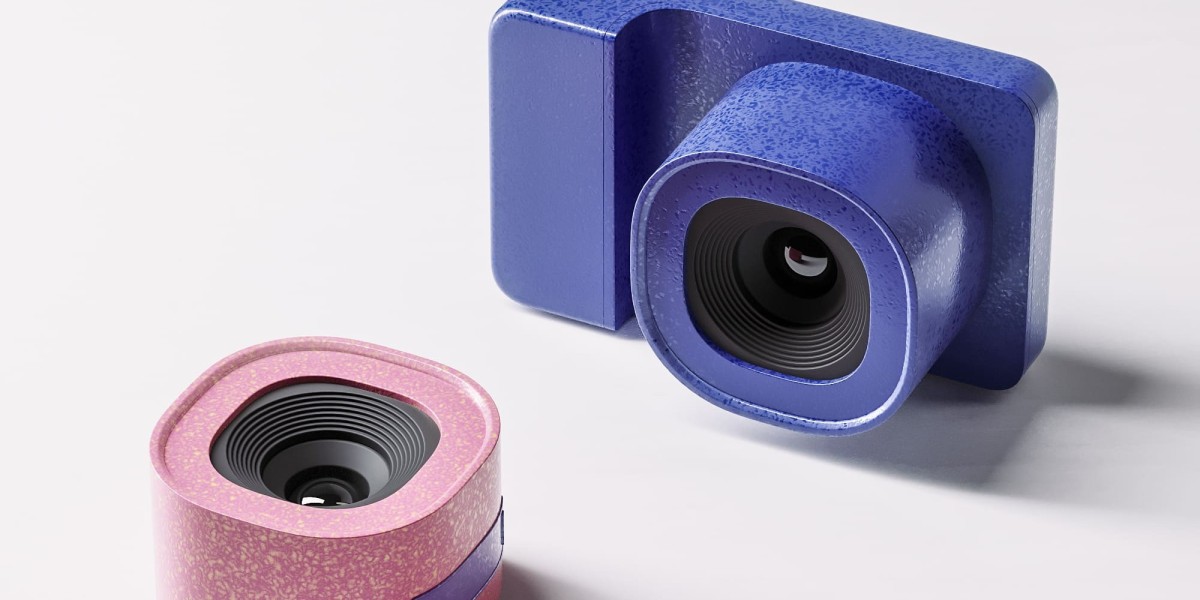

Here are some key advantages of 3D modeling:
Enhanced Visualization: 3D modeling allows for the creation of lifelike representations of objects, making it easier for designers, clients, and stakeholders to visualize the final product. This is particularly useful in architecture and product design, where understanding the spatial relationships and aesthetics of a design is crucial.
Improved Accuracy: With 3D modeling, designers can achieve a high level of precision in their work. Dimensions and spatial relationships can be accurately represented, reducing the likelihood of errors and mismatches in the final product. This precision is vital in fields like manufacturing and construction, where even minor inaccuracies can lead to significant issues.
Efficient Design and Revisions: The ability to quickly modify and adjust models in a 3D environment streamlines the design process. Changes can be made in real-time, allowing for faster iterations and enabling designers to explore different options easily. This flexibility can significantly speed up the development cycle and reduce costs associated with revisions.
Enhanced Communication: 3D models can be shared with team members, clients, and other stakeholders, providing a clear and unified vision of the project. This improves communication and collaboration, as everyone can see and understand the design intent without needing to interpret complex technical drawings.
Cost Savings: By identifying and resolving potential issues in the design phase, 3D modeling can lead to substantial cost savings. It reduces the need for physical prototypes, minimizes errors that could lead to costly corrections later, and streamlines the production process.
Marketing and Sales: 3D models can be used to create compelling marketing materials, including animations and virtual tours. These resources can help in pre-selling products or properties, attracting investors, and engaging customers, providing a tangible feel of the product before it exists.
Simulation and Analysis: In engineering and construction, 3D models can be used for simulations to predict how a design will perform in the real world. This includes structural analysis, fluid dynamics, and environmental impact assessments, allowing for optimizations and improvements before physical implementation.
Customization and Personalization: 3D modeling supports the creation of customized and personalized products to meet specific customer needs. This capability is particularly valuable in industries such as healthcare, where personalized medical devices or implants can be designed and manufactured.
Integration with Emerging Technologies: 3D models are integral to the application of emerging technologies like augmented reality (AR) and virtual reality (VR). These technologies offer immersive experiences for training, education, design validation, and customer engagement.
Accessibility: Modern 3D modeling software has become more accessible and user-friendly, opening up the benefits of 3D design to a broader range of professionals and enthusiasts.
In conclusion, the advantages of 3D modeling are profound and far-reaching, offering enhanced visualization, accuracy, efficiency, and flexibility across the board. Its integration into various workflows not only improves the design and development process but also opens up new possibilities for innovation and creativity.
For more details click a link.