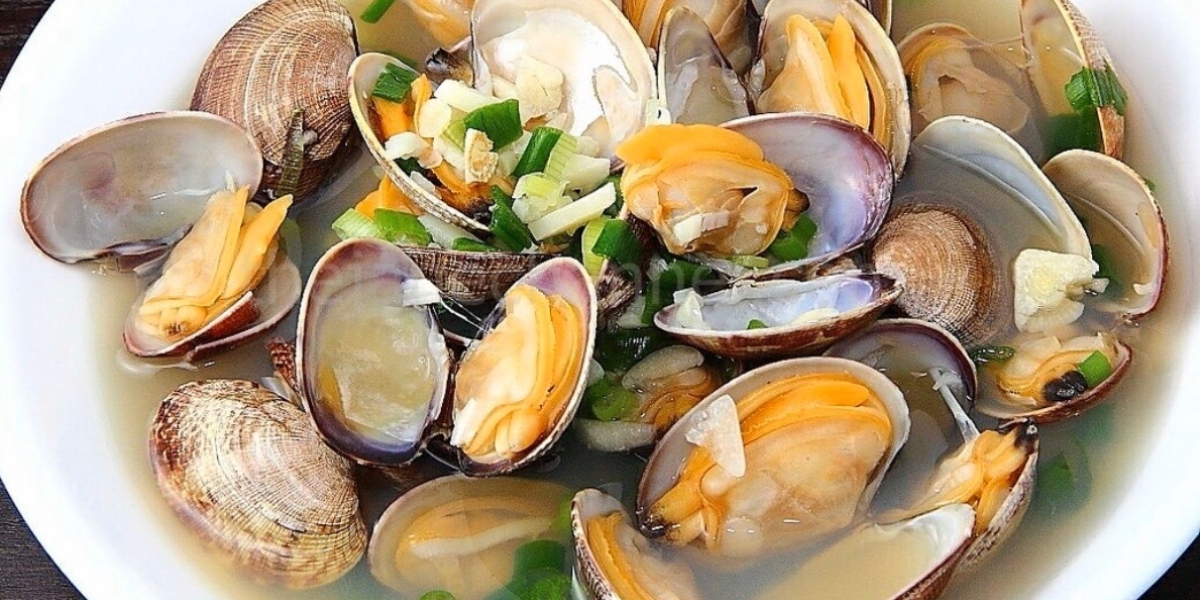

When it comes to seafood, shellfish are often a highlight of many dishes, from simple starters to elaborate feasts. If you're passionate about enjoying the best shellfish, understanding what makes them high quality is key. Whether you’re an experienced seafood lover or just beginning to explore shellfish, this guide will help you make informed choices. If you're in London and looking for premium shellfish, check out London Shellfish for top-notch options. Let’s dive into everything you need to know about selecting and enjoying quality shellfish.
A Brief Overview
1. What Are Shellfish?
Shellfish are aquatic animals with a shell or exoskeleton. They are typically divided into two main categories: crustaceans and mollusks. Crustaceans include shrimp, crab, and lobster, while mollusks encompass clams, oysters, and mussels. Each type has its own distinct flavour and texture, making them versatile for various culinary uses.
2. Why Quality Matters
The quality of shellfish affects both the taste and safety of the dish. Fresh, high-quality shellfish will have a clean, briny flavour and firm texture. Poor quality or improperly handled shellfish can lead to unpleasant tastes and potential health risks. Ensuring you select top-quality shellfish is crucial for an enjoyable and safe dining experience.
How to Choose Fresh Shellfish
3. Check the Smell
Fresh shellfish should have a clean, ocean-like scent. If you notice a strong, fishy, or off-putting smell, it’s a sign that the shellfish may not be fresh. Always opt for shellfish with a mild, pleasant aroma.
4. Look for Clear and Bright Appearance
For shellfish like clams and mussels, the shells should be clean and free of cracks or damage. They should be closed tightly, as open shells might indicate that the shellfish is dead. If a shell is slightly open, give it a gentle tap; it should close if it's still alive.
5. Examine the Texture
The texture of shellfish is another indicator of freshness. Shellfish should be firm to the touch, not slimy or mushy. For example, shrimp should be firm and slightly springy, while oysters should be plump and moist.
Storage and Handling Tips
6. Proper Storage is Key
To maintain freshness, shellfish should be stored properly. Keep them in the coldest part of your refrigerator and ensure they are covered with a damp cloth or paper towel. Avoid storing shellfish in airtight containers, as they need to breathe.
7. Do Not Store in Water
While it might seem logical to store shellfish in water, this can actually cause them to die. Instead, keep them in their original packaging or a breathable container to ensure they stay alive until you’re ready to cook them.
Preparing Shellfish for Cooking
8. Clean Thoroughly
Before cooking, shellfish should be thoroughly cleaned. Scrub the shells of clams, mussels, and oysters under cold running water to remove any sand or debris. For shrimp, peel and devein them, removing the shell and digestive tract.
9. Cook Properly
Cooking shellfish correctly is essential for both safety and taste. Ensure they are cooked until they reach the proper internal temperature, and their shells should open fully. If a shell doesn’t open during cooking, discard it, as it might not be safe to eat.
The Benefits of Fresh Shellfish
10. Nutritional Value
Fresh shellfish are packed with nutrients. They are a great source of high-quality protein, vitamins, and minerals, including omega-3 fatty acids, which are beneficial for heart health. Including shellfish in your diet can contribute to overall well-being.
11. Culinary Versatility
Shellfish can be used in a variety of dishes, from simple steamed mussels to intricate seafood stews. Their versatility in the kitchen makes them a favourite among chefs and home cooks alike.
Conclusion
Choosing high-quality shellfish enhances your dining experience and ensures safety. By understanding how to select, store, and prepare shellfish, you can enjoy their full flavour and nutritional benefits.