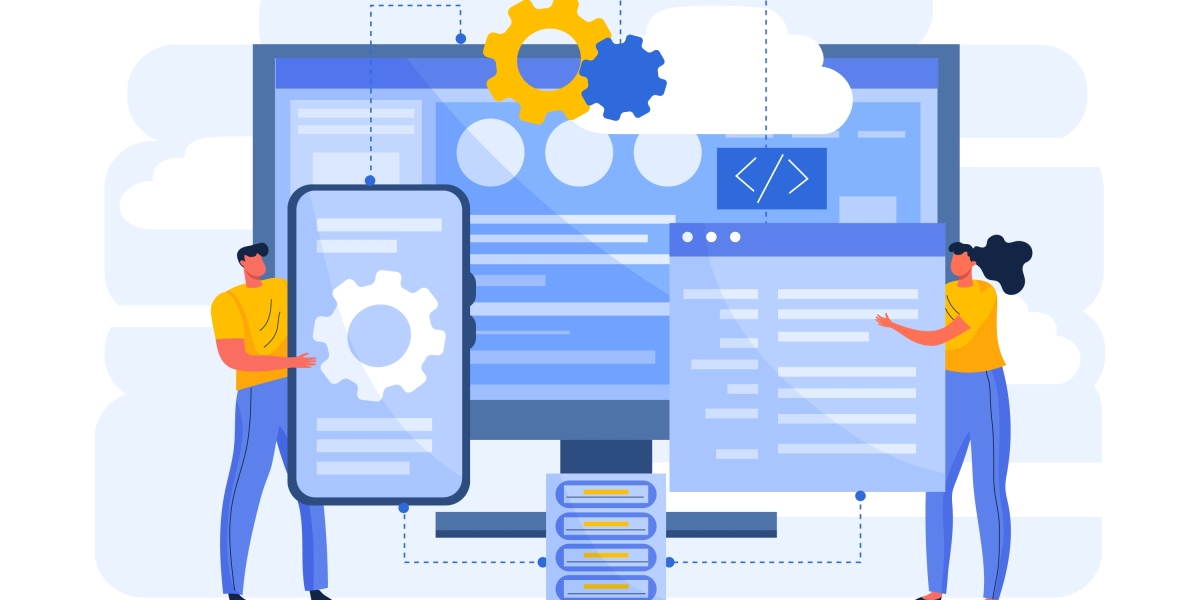

In an era of rapid technological advancement, businesses are continuously searching for ways to enhance efficiency and promote innovation. Off-the-shelf software solutions may offer short-term fixes, but they often fail to address the unique needs of each business. Custom software solutions emerge as a tailored approach to overcome specific operational challenges, improve efficiency, and foster innovation. In this blog, we’ll explore how custom software development services can streamline business processes, enhance scalability, and drive long-term success.
Understanding the Need for Customization
Many businesses begin with generic software tools to handle their operations. However, as a business grows, it becomes evident that these pre-built solutions come with limitations. Whether it’s features that don’t fit your specific needs, lack of integration with existing systems, or inefficient workflows, off-the-shelf solutions are often more of a patch than a true solution.
This is where custom software comes into play. By addressing specific pain points and being designed around your business model, custom software solutions provide flexibility, adaptability, and efficiency that can't be achieved with generic software. This enables businesses to operate with greater precision and agility, and to adapt quickly to changes in the market.
How Custom Software Improves Efficiency
One of the primary reasons companies turn to custom software development services is to enhance operational efficiency. Here’s how custom solutions can streamline and improve workflows:
1. Automation of Repetitive Tasks
Manual tasks, such as data entry, inventory updates, or generating reports, can consume valuable time and resources. Custom software allows businesses to automate these repetitive processes, saving time, reducing human error, and allowing employees to focus on more critical tasks. Automation also leads to faster decision-making by providing real-time insights and analytics, enabling leaders to act quickly.
For example, a logistics company might use custom software solutions to automate order tracking, shipment scheduling, and customer updates, eliminating the need for manual intervention and speeding up the entire process.
2. Integration with Existing Systems
Businesses often rely on a variety of software tools to manage different aspects of their operations, such as accounting, customer relationship management (CRM), or supply chain management. Off-the-shelf solutions may not integrate seamlessly with these systems, leading to inefficiencies and siloed data. Custom software can be developed to integrate smoothly with all your existing tools, ensuring better collaboration, data consistency, and streamlined workflows.
For instance, a retail business could integrate its custom software with its point-of-sale (POS) system, inventory management, and CRM platform, ensuring that customer data and sales information are synchronized in real-time.
3. Tailored Functionality for Business-Specific Needs
Each business has unique processes, and custom software development services allow companies to develop features and functionalities specifically designed for their workflows. Instead of being forced to adapt to the limitations of off-the-shelf software, businesses can create tools that perfectly align with their needs.
Consider a healthcare provider needing to adhere to stringent patient data regulations like HIPAA. Off-the-shelf software may not provide the level of security and compliance required, while custom software can be built with enhanced security features, ensuring that the business stays compliant while optimizing patient care workflows.
How Custom Software Drives Innovation
Beyond improving efficiency, custom software solutions also promote innovation, giving businesses a competitive edge. Here’s how custom development fosters innovation:
1. Flexibility to Implement Emerging Technologies
The technology landscape is evolving at a rapid pace, with new tools such as artificial intelligence (AI), machine learning, and blockchain reshaping industries. Custom software allows businesses to stay ahead of the curve by integrating these cutting-edge technologies into their operations.
For example, a financial services firm might develop custom software to incorporate AI-driven analytics, providing personalized financial advice to clients or predicting market trends. By leveraging the latest technology, businesses can offer innovative products and services, setting them apart from competitors.
2. Personalized Customer Experiences
In today’s customer-centric world, businesses need to deliver personalized experiences to stay competitive. Off-the-shelf software often lacks the flexibility to provide tailored customer interactions. Custom software development services enable businesses to create personalized user interfaces, recommend products based on past behavior, and provide a seamless customer journey.
For instance, an e-commerce company could use custom software solutions to track user behavior and make personalized product recommendations, enhancing customer satisfaction and boosting sales.
3. Accelerated Innovation Cycles
Businesses that rely on standard software may find themselves limited by predefined updates and features. With custom software, businesses can innovate at their own pace, rolling out new features and improvements as needed, rather than waiting for software vendors to provide updates.
This flexibility allows companies to respond quickly to market demands, customer feedback, and new opportunities, ensuring that their software evolves alongside their business needs.
The ROI of Custom Software: Long-Term Efficiency and Innovation
While the initial investment in custom software development services may seem higher than purchasing off-the-shelf solutions, the long-term ROI is substantial. Custom solutions are built with scalability in mind, allowing businesses to grow without having to frequently overhaul their systems. Additionally, custom software reduces the need for workarounds, third-party add-ons, or inefficient manual processes, saving time and resources in the long run.
Moreover, as businesses face new challenges or opportunities, custom software can be adapted and enhanced to meet evolving needs, ensuring that your investment continues to pay off for years to come.
Conclusion: A Path to Efficiency and Innovation
Custom software solutions offer a clear path to both increased efficiency and ongoing innovation. By addressing the unique challenges of each business, custom software enables streamlined operations, better decision-making, and the flexibility to adapt to market changes. Whether you're automating tasks, integrating systems, or implementing emerging technologies, custom software development services provide the tools you need to stay competitive and drive growth.